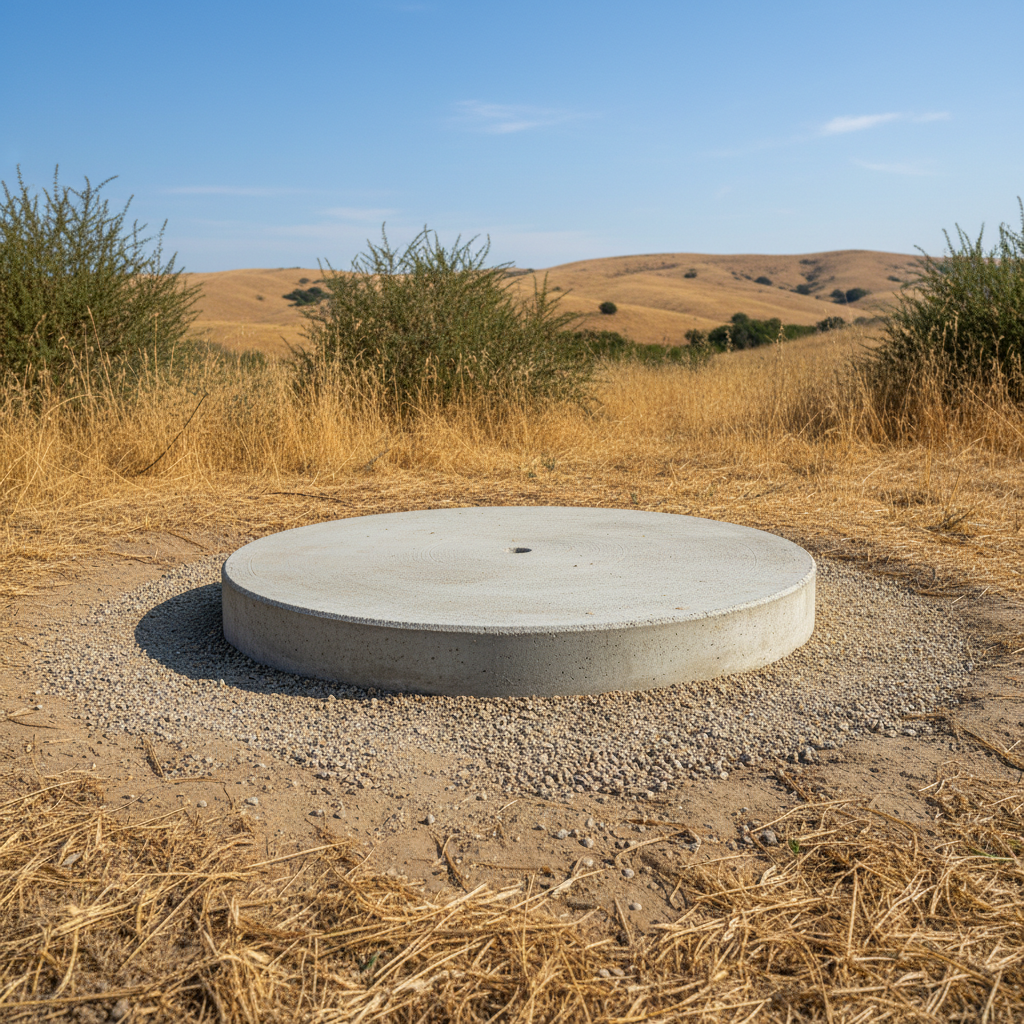
Alright, let's talk about your septic system for a minute. It's one of those things you probably don't give a second thought to until it starts acting up, right? But honestly, a little proactive care can save you a whole lot of headache and money down the road. A lot of folks wonder what they can actually do themselves to keep things running smooth, and when it's really time to call in a pro. I've certainly seen it all out here in Fresno, from people who completely ignore their system to those who try to fix things way over their heads. So, let's clear up some of that confusion.
What You Can (And Really Should) Do Yourself
There's a good chunk of septic maintenance that's totally within your wheelhouse. Mostly, it's about being smart with what goes down your drains and knowing your system's layout. Think of it as preventative care for your home's most important, unsung hero.
Watch What You Flush: This is probably the biggest piece of advice. Your septic system isn't a trash can, plain and simple. Don't flush anything that isn't human waste or toilet paper. That means no wet wipes (even the 'flushable' ones – trust me, they're not!), no paper towels, no feminine hygiene products, no dental floss, no cat litter, and definitely no chemicals like paint thinner or pesticides. These things can clog pipes, kill the good bacteria in your tank, and lead to some pretty major problems.
Be Smart with Your Drains: Grease and food scraps are big no-nos for your kitchen sink. Grease solidifies in the pipes and tank, causing blockages. Use a drain screen to catch food particles, and scrape plates into the trash before washing. Even if you have a garbage disposal, use it sparingly. It just adds a lot of solids to your tank that it's not really designed to handle.
Conserve Water: Every single gallon of water you use ends up in your septic tank. The more water you use, the more frequently your tank fills up, and the more stress you put on your drain field. Fix leaky faucets and toilets, take shorter showers, and run your dishwasher and washing machine only when they're full. This is especially important during those dry Fresno summers when the ground can be hard and less absorbent.
Know Your System's Location: You should have a map of your septic tank and drain field. If you don't, try to get one from the county or the previous homeowner. Knowing where everything is helps you avoid driving heavy vehicles over the drain field, which can compact the soil and damage pipes. It also really helps us out when we come for a service call, you know?
Monitor Your Drain Field: Keep an eye on the area over your drain field. It shouldn't be soggy, have unusually lush grass, or smell foul. These are all signs of a problem. Also, don't plant trees or shrubs with aggressive root systems near your drain field; those roots will find their way into your pipes looking for water and cause blockages.
When It's Time to Call Horizon Septic Solutions
While you can do a lot to maintain your system, there are definitely times when you need to bring in the pros. Trying to DIY these issues can often make things worse, cost you more in the long run, and even be dangerous.
Regular Pumping: This is non-negotiable. Most systems need pumping every 3-5 years, depending on the tank size and how much you use it. We can tell you exactly what schedule is right for your home. Don't wait until you have a backup to call for pumping; that's like waiting for your car to break down before getting an oil change, right?
Slow Drains or Backups: If your toilets are gurgling, drains are slow, or you've got sewage backing up into your house, that's a red alert. This usually means your tank is full, your drain field is failing, or there's a serious clog. You need a professional to diagnose and fix this properly.
Foul Odors: If you're smelling sewage inside your house or out in your yard, something's definitely not right. This could indicate a vent pipe issue, a failing drain field, or a full tank. We've got the tools and experience to pinpoint the source of the smell and fix it.
Standing Water or Lush Spots in the Yard: While a little extra green grass over the drain field might seem nice, it's often a sign that effluent is surfacing. This is a health hazard and means your drain field isn't doing its job. We can assess the situation and recommend repairs.
Inspections: If you're buying or selling a home with a septic system, you'll need a professional inspection. This isn't something you can do yourself. We'll check the tank, drain field, and all components to ensure everything is up to code and working correctly. Especially with some of the older homes around Fig Garden or the Tower District, these inspections are crucial.
Any Major Repairs or Installations: This should go without saying, but digging up your yard to repair a broken pipe, replace a tank, or install a new system is definitely a job for licensed professionals. There are permits, regulations, and specialized equipment involved.
Look, your septic system is a critical part of your home's infrastructure. Treating it right with a little common sense and knowing when to call in the experts will save you a ton of grief. Don't hesitate to reach out to Horizon Septic Solutions if you're ever unsure about something; we're here to help you keep things flowing smoothly.