What exactly is a drain field and why is it so important?
Alright, let's just get straight to it. Your drain field — sometimes called a leach field or an absorption field — is probably the most crucial part of your whole septic system. Think of it like the very last filter for all the wastewater that comes out of your septic tank. The tank does its job, sure, separating solids from liquids, but that liquid, which we call effluent, still has a lot of nasty stuff in it. That's where the drain field steps in.
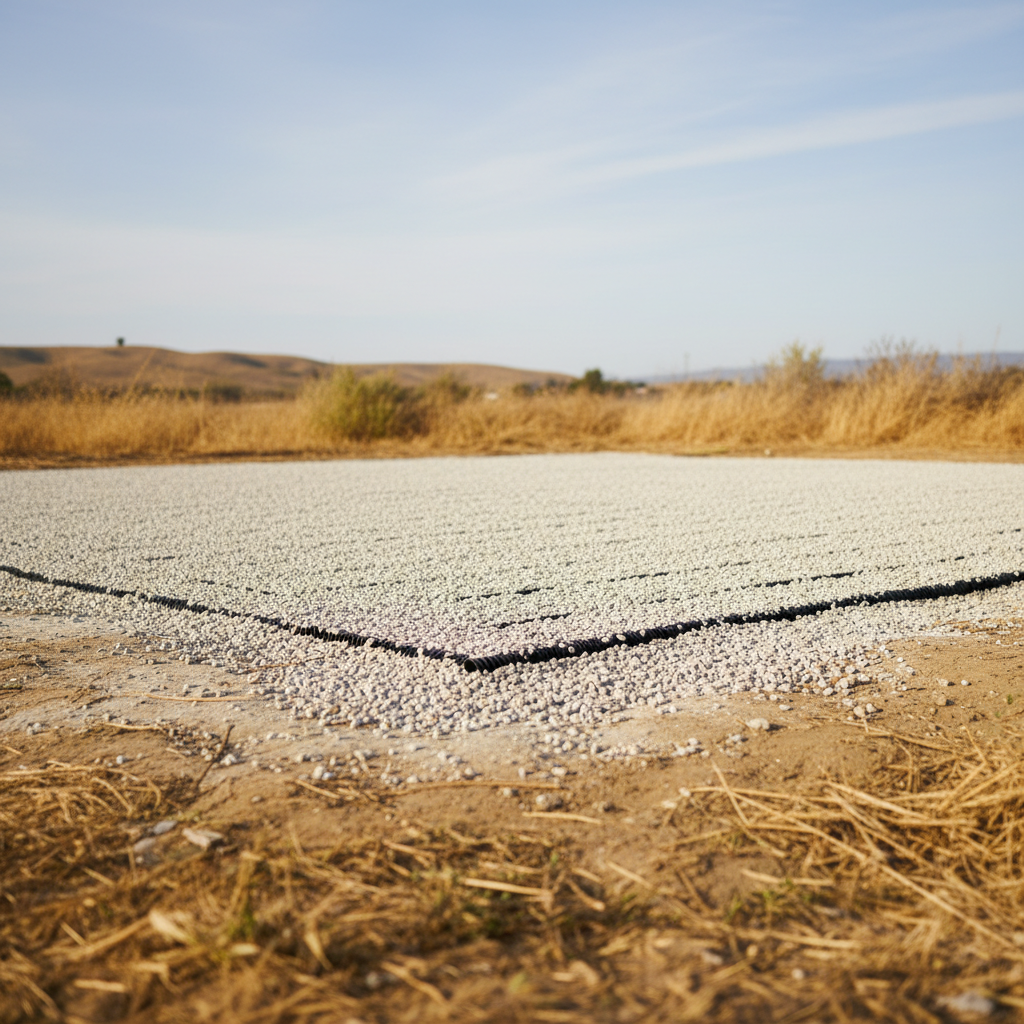
It's basically a network of perforated pipes buried in trenches, usually filled with gravel or some other aggregate, and then covered up with soil. The effluent flows from the septic tank into these pipes, then slowly trickles out through the tiny holes into the surrounding ground. The soil, along with the microbes living there, naturally treats and filters that wastewater before it can get back into the groundwater. If your drain field isn't doing its job, well, you've got serious problems. That untreated wastewater has nowhere to go but up, or even worse, into your drinking water supply. Not good, right?
How do I know if my drain field is failing or has problems?
This is a big one, and honestly, it's usually pretty obvious when things start going wrong. The most common sign? Standing water or soggy spots in your yard right over the drain field area. It'll often smell pretty bad too, like raw sewage. Another dead giveaway is if your drains are slow or you're getting sewage backups in your house. If your toilets are gurgling or overflowing, and you've already made sure it's not just a simple clog, your drain field is probably crying for help.
You might also notice unusually lush, green grass growing over the drain field, even when the rest of your lawn is looking dry. That's because the wastewater is basically acting like a fertilizer. And sometimes, you'll hear gurgling sounds from your plumbing when water drains. Don't ignore these signs; they won't just disappear on their own.
What causes drain field failure in the first place?
There are a few usual suspects here. The biggest one I see here in Fresno is just plain old age and neglect. Drain fields aren't built to last forever, and if you haven't been pumping your septic tank regularly, those solids eventually make their way into the drain field pipes, clogging them up. Once that biomat (a slimy, organic layer) builds up too much, the soil simply can't absorb water anymore.
Another common issue is using your system improperly. Flushing things you shouldn't — like excessive grease, harsh chemicals, or non-biodegradable items — can kill off the good bacteria in your septic tank and drain field, messing up the whole treatment process. Driving heavy vehicles over the drain field can compact the soil, making it impossible for water to soak through. And sometimes, it's just bad design or installation right from the beginning, especially if the system wasn't sized correctly for the household or if the soil conditions weren't properly checked. Here in Fresno, we've got a lot of hardpan soil in certain areas, which makes proper drain field design even more critical, believe me.
Can a failing drain field be repaired, or does it always need replacement?
This is the question everyone hopes for a cheap answer to. Sometimes, you can get away with a repair, but often, replacement is the only real long-term fix. Minor issues, like a single clogged pipe or a small area of biomat buildup, might be treatable with jetting or chemical treatments designed to break down those clogs. If the problem is just soil compaction, sometimes aeration can help. We also see cases where tree roots invade the pipes; those can sometimes be cleared out.
However, if the entire drain field is saturated, the soil is completely clogged with biomat, or the system is just too old and falling apart, a full replacement is usually what's needed. It's like trying to patch a leaky boat that's already rotting from the inside out, isn't it? I'll always give you an honest assessment of what I think will actually work and last.
How long does a drain field typically last, and how can I extend its life?
A well-maintained drain field can last anywhere from 15 to 40 years, sometimes even longer. It really depends on the soil conditions, how well it was installed, and most importantly, how you treat it. To extend its life, the number one thing you can do is regular septic tank pumping. For most homes, that's every 3-5 years. This keeps solids from overflowing into the drain field.
Beyond pumping, be careful about what goes down your drains. Don't dump grease, harsh chemicals, or non-biodegradable stuff. Conserve water where you can – too much water can overload the system. Don't drive or park heavy vehicles over the drain field area, and keep trees and shrubs with invasive roots away from it. And for goodness sake, know where your drain field is! Horizon Septic Solutions can help you find it if you're not sure.
What's involved in a drain field replacement, and how disruptive is it?
A drain field replacement is a pretty significant project, I won't lie. First, we'll need to get permits from the county health department. Then, we'll dig up the old, failing drain field. This means excavators, trenches, and yes, your yard is going to look like a construction zone for a bit. We'll install new perforated pipes, usually in fresh gravel beds, and then cover it all back up with soil. Sometimes, we might even need to find a new spot on your property if the old one isn't suitable anymore because of soil conditions or other factors.
The disruption can be considerable, but we do our best to keep it to a minimum. It typically takes a few days to a week, depending on the size and how complicated the job is. You'll likely need to limit water use during the process, and sometimes we can set up a temporary bypass if needed. It's not fun, but it's a necessary investment to get your septic system back in working order and protect your property and the environment.
Are there any alternatives if I can't replace my drain field?
This is a tough spot to be in, and it's not super common, but it does happen. If your property is too small, the soil conditions are completely unsuitable, or there are other site constraints that prevent a traditional drain field replacement, you might have to look at alternative septic systems. These can include mound systems, which are built above ground, or aerobic treatment units (ATUs), which use air to treat wastewater more thoroughly before it goes into a smaller, conventional drain field or even a drip irrigation system.
These alternative systems are generally more expensive to install and maintain than a traditional system, but they can be a lifesaver when you're out of other options. We'd have to do a thorough site evaluation and work closely with the county to figure out what's even allowed for your specific property. It's always best to try and maintain your existing system, but if it comes to it, there are other paths we can explore.