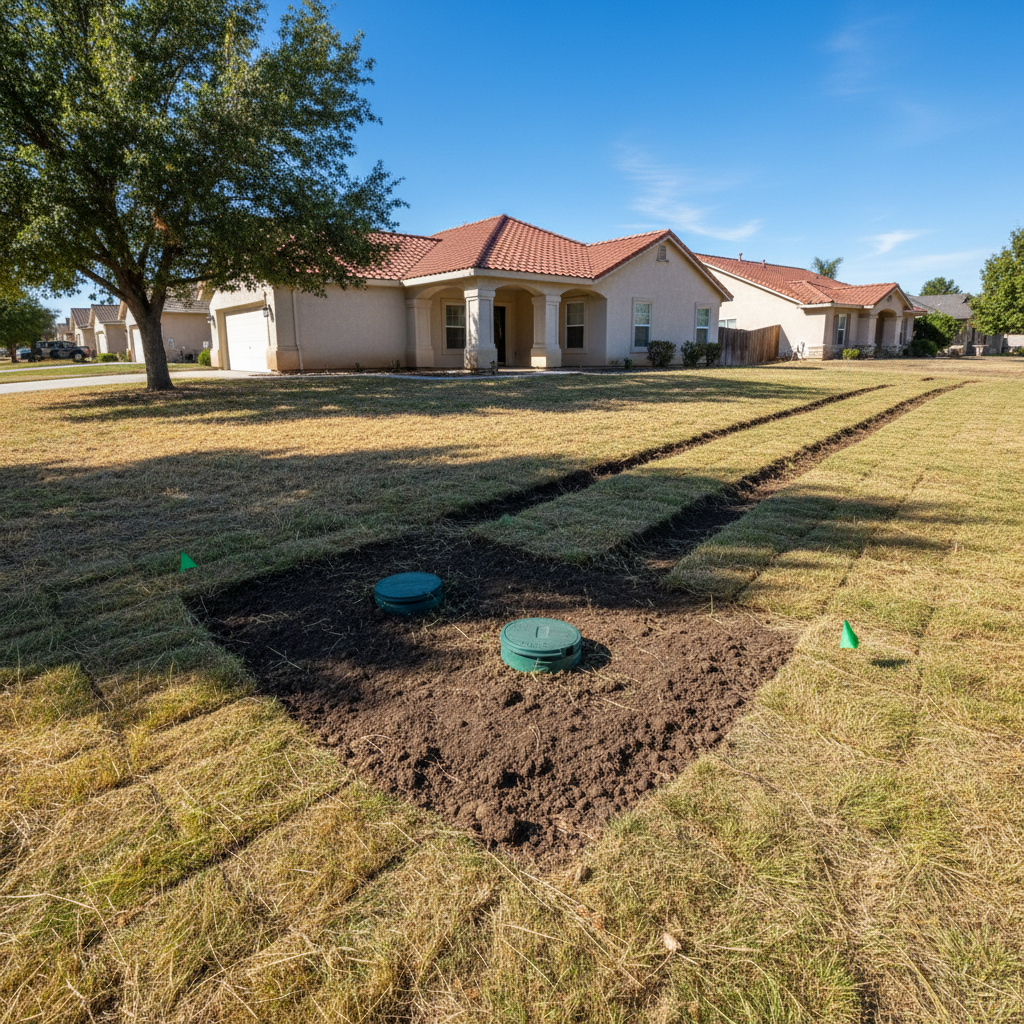
So, you're eyeing a house out in Clovis or maybe even further out, like towards Sanger, and it happens to have a septic system. Good to know. Your home inspector swings by, checks off their list, and hands you a report. You might think you're all set, right? Well, let me tell you something: when it comes to septic systems, a standard home inspection usually just skims the surface. And that's just not good enough when you're talking about a system that could easily cost you thousands to fix or replace. Trust me on this one.
Why a Septic Inspection Is Different From Just Another Home Inspection Item
A typical home inspector, bless their hearts, is juggling a hundred different things. They're checking the roof, the foundation, the plumbing fixtures, the electrical panel. They'll probably lift the lid on your septic tank, peek inside, and make a note if it's full or not. Maybe they'll even mention the drain field area if it looks obviously waterlogged. But that's usually where they stop.
What they *aren't* doing is a full, comprehensive septic inspection. They won't run a camera down the lines, looking for blockages, root intrusion, or structural damage. They aren't evaluating the drain field's absorption capacity, which is a huge deal, especially with the hardpan soil we often deal with around Fresno. They're not checking the baffles inside the tank, looking for signs of system abuse, or making sure the distribution box is level and working right. All these are critical components, and any one of them failing can lead to major headaches.
The Real Stakes: You Could Be Buying a Problem, Not a Home
I've seen it happen too many times. Someone buys a house, moves in, and within a few months, they've got sewage backing up into their tubs or a soggy, stinky yard. They call me, and we discover the system was practically dead when they bought it. The previous owner knew, or really should have known, but the standard home inspection didn't catch it. Now, instead of enjoying their new home, they're staring down a $10,000 to $30,000 bill for a new drain field or even a full system replacement.
That's why I always tell folks: if a property has a septic system, you absolutely need a dedicated septic inspection. Yes, it's an extra cost, but it's pocket change compared to the potential repair bill. Think of it as specialized insurance for one of the most expensive and critical systems on your property.
What a Proper Septic Inspection Should Cover
- Tank Pumping and Visual Inspection: We pump the tank out first. This lets us get a good look at the inside. We check the baffles, the tank's integrity, and search for any signs of cracks or leaks.
- Drain Field Evaluation: This part is huge. We check the distribution box, look for signs of effluent surfacing, and assess the overall health of the absorption area. For example, we're looking for unusually lush green grass, which can point to a failing drain field.
- Line Integrity: Sometimes we'll suggest a camera inspection of the main line from the house to the tank, and then from the tank to the drain field. This is especially true if there are worries about older pipes or potential root issues.
- System Usage History: We'll ask about the property's past — how many people lived there, any known issues. This helps us understand how much stress the system has been under.
- Permit and Design Review: If they're available, we'll look over the original permits and design plans. This tells us what kind of system was installed and if it meets current standards.
Why Local Expertise Matters for Septic Inspections
You wouldn't hire a guy from Bakersfield to tell you about the best peaches in Fresno, would you? It's the same idea with septic systems. Our local conditions are pretty unique. We get hot summers that can really stress systems, and our clay-heavy soils in many areas, particularly around places like Biola or Kerman, just don't drain as well as sandy soils. This means drain field design and how well it performs are absolutely critical here.
A local company like Horizon Septic Solutions knows these conditions inside and out. We've seen what works and what doesn't work in Fresno and the surrounding communities. We understand the specific challenges our climate and soil types throw at us. We're not just reading a manual; we're using years of on-the-ground experience right here in the Central Valley.
So, before you sign on the dotted line for that new home, make sure you're getting the full picture of its septic system. It's one of those things where a little extra digging upfront can save you a whole lot of grief and money down the road.