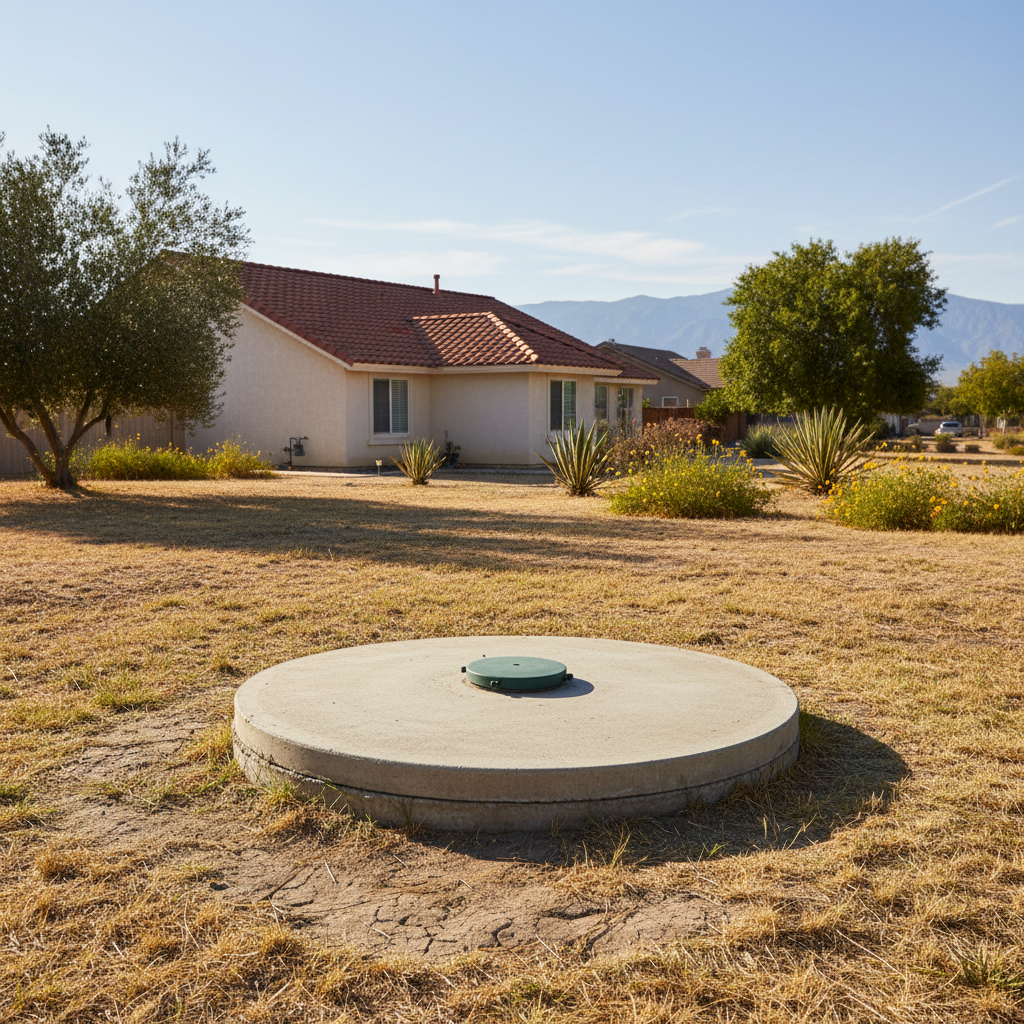
When's the last time you actually thought about your septic tank? For most folks, it's usually only when something goes wrong, right? But listen, a little proactive thinking about your septic pumping can save you a whole lot of headache and cash down the road. Especially here in Fresno, where our clay soils can really put a system through its paces, knowing how to keep your septic system humming along is just smart homeownership.
Why Pumping Matters (and How to Make It Last)
Imagine your septic tank as a tiny wastewater treatment plant right there in your backyard. Solids sink to the bottom, oils and grease float up top, and the liquid (that's the effluent) flows out to your drainfield. Over time, those solids build up. If you don't get them pumped out, they'll eventually overflow into your drainfield, clogging it up. And that's when you start looking at expensive repairs, or even having to replace the whole system. Ouch.
So, how do you make sure your system and its pumping service last? It's pretty simple, really:
- Watch What Goes Down the Drain: This is probably the biggest piece of advice. Your septic system isn't a trash can. Don't flush anything that isn't human waste or toilet paper. That means no wet wipes (even the 'flushable' ones – trust me, they're not!), feminine hygiene products, cotton swabs, dental floss, or cigarette butts. These things just don't break down and only add to that sludge layer.
- Be Smart About Grease and Oil: Pouring cooking grease down the drain? Big no-no. It solidifies in your pipes and tank, adding to the scum layer and potentially blocking everything up. Scrape plates into the trash before you rinse them.
- Use Water Efficiently: Too much water can overload your system, pushing solids into the drainfield before they're ready. Try spreading out your laundry loads, fix those leaky faucets, and maybe think about low-flow fixtures.
- Mind Your Garbage Disposal: While they're super convenient, garbage disposals dump a lot of extra solids and grease into your septic tank. If you use one, you'll probably need to pump more often. I usually tell folks to compost or just trash food scraps instead.
- Chemicals are a Killer: Don't pour harsh chemicals like paint thinners, pesticides, or even too much drain cleaner down your drains. They can kill off the good bacteria in your tank that break down waste, messing up the whole process.
What Regular Maintenance Looks Like
For most Fresno homes, I usually suggest getting your septic tank inspected and pumped every 3 to 5 years. Now, that's not a hard and fast rule, though. The frequency really depends on a few things:
- Household Size: More people mean more waste, so a bigger family will need pumping more often than, say, a single person.
- Tank Size: A smaller tank will fill up faster, naturally.
- Water Usage: High water use can affect how quickly those solids build up.
- Garbage Disposal Use: Like I said, if you use a disposal, expect more frequent pumping.
When you call Horizon Septic Solutions for a pumping, we don't just suck out the tank and leave. We'll do a visual inspection, check for any signs of trouble, and give you an idea of your sludge and scum levels. This helps us recommend the best pumping schedule for *your* specific situation.
Warning Signs You Can't Afford to Ignore
Your septic system usually gives you a heads-up before it completely quits. Don't ignore these signs:
- Slow Drains or Backups: If your sinks, tubs, or toilets are draining slowly, or worse, backing up? That's a classic sign of a full tank or a drainfield problem.
- Unpleasant Odors: Foul smells inside your house, especially near drains, or outside around your septic tank or drainfield, are a definite red flag.
- Bright Green, Spongy Grass: See an unusually lush, green patch of grass over your drainfield, especially when the rest of your yard is dry (which happens a lot in our Fresno summers!)? That could mean effluent is surfacing. And that's a serious health hazard.
- Pooling Water: Puddles of smelly water in your yard near the septic area are a clear sign of system failure.
- Gurgling Sounds: Hearing gurgling from your plumbing fixtures can mean air's trapped in the system because of blockages or a full tank.
When to Call a Professional
If you notice any of those warning signs, don't wait around. The sooner you deal with a septic problem, the less damage it's likely to cause, and the less it's likely to cost you. Even if you're not seeing problems, if it's been more than 3-5 years since your last pumping, it's probably time to schedule an inspection.
You should also call a professional if you're just not sure about your system's health, if you're buying or selling a home with a septic system (a proper inspection is super important here), or if you have any questions about keeping your specific setup running. We're here to help keep your septic system running smoothly, protecting your home and the environment, you know?