So, you've just been through a septic emergency. Maybe your drain field backed up, or your tank overflowed right after that heavy rain we had last winter. Whatever it was, it wasn't fun, and you probably had Horizon Septic Solutions out there to get things sorted. Now that the immediate crisis is over, you're probably wondering, "How do I make sure this doesn't happen again?" That's a smart question. And honestly? It's mostly about good habits and knowing what to look for.
Extending the Life of Your Septic System Post-Emergency
When we fix an emergency, whether it's a pump replacement or a drain line repair, we're usually addressing a symptom, or sometimes the root cause of a failure. But the overall health of your system depends on how you treat it going forward. Think of it like this: if your car breaks down and you get it fixed, you still need to change the oil and rotate the tires, right? It's the same deal for your septic system.
First off, be super mindful of what goes down your drains. This is probably the biggest factor, no joke. I've seen systems fail prematurely because folks are flushing things that just don't break down – wipes (even the 'flushable' kind, they're not!), feminine hygiene products, excessive grease, coffee grounds. All that stuff clogs pipes and overloads your tank's ability to separate solids. If we just cleared a blockage, you definitely don't want to be putting anything down there that could cause another one, do you?
Water usage is another big one, especially here in Fresno where we get those long, hot summers. If your drain field was struggling, using too much water can quickly overwhelm it again. Try to spread out your laundry loads throughout the week instead of doing five loads in one day. Fix leaky faucets and running toilets – those drips add up fast. Every gallon of water you save is a gallon less that your septic system has to process.
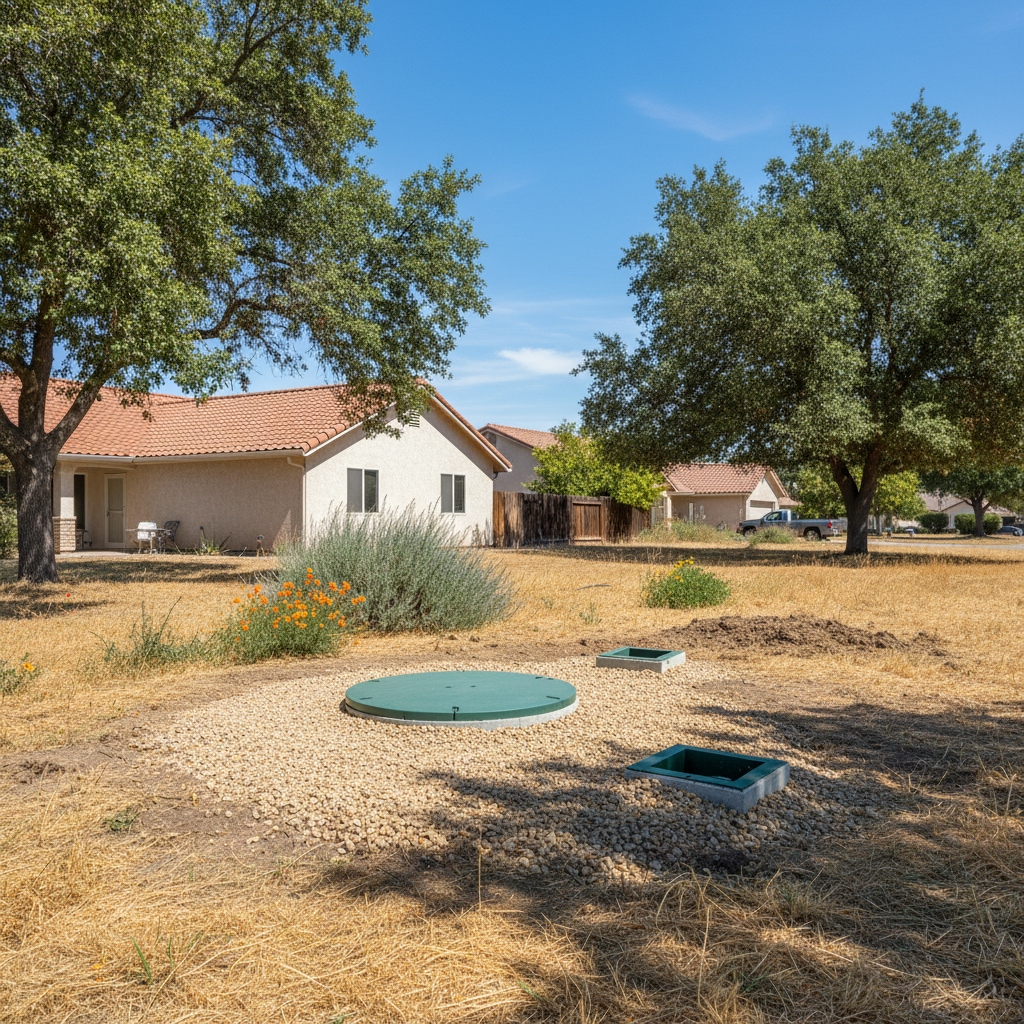
Finally, protect your drain field. This means no driving or parking heavy vehicles over it. Don't plant trees or shrubs with aggressive root systems too close to the lines either – those roots will find the water and clog everything up. I've seen oak roots completely crush drain lines in some of the older neighborhoods around Woodward Park, believe it or not. Keep heavy landscaping, like retaining walls or sheds, off the drain field area too. The soil needs to breathe and absorb wastewater, and compaction or heavy structures prevent that.
Regular Maintenance: Your Best Defense
Beyond the immediate aftermath of a repair, consistent, regular maintenance is what keeps your system humming along for years. It's not glamorous, but it's absolutely essential.
- Pumping Your Tank: This is non-negotiable. Most systems need pumping every 3-5 years, depending on tank size and how much your household uses it. If you've got a garbage disposal, you might need it more often, maybe every 1-3 years. Pumping removes the accumulated solids that would otherwise flow into your drain field and clog it up.
- Inspections: Even if you're not pumping, a professional inspection every few years can catch small problems before they become big, expensive ones. We can check baffles, look for signs of root intrusion, and assess the overall health of your drain field.
- Effluent Filter Cleaning: Many newer systems, and some older ones, have an effluent filter in the outlet baffle of the septic tank. This filter prevents solids from leaving the tank and entering the drain field. It needs to be cleaned regularly, usually once a year. It's a dirty job, but it's crucial for drain field longevity.
- Know Your System: Understand where your tank and drain field are located. Keep records of when it was last pumped or serviced. This information is invaluable for me or any other professional working on your system.
Warning Signs of Trouble
You don't need to be a septic expert to spot the early warning signs of a problem. Your system usually gives you clues before it completely fails, trust me. Pay attention to these:
- Slow Drains or Backups: This is the most common sign. If multiple drains in your house are slow, or if toilets are backing up, it's a strong indicator that something's wrong with your septic system.
- Unpleasant Odors: If you smell sewage in your yard, especially near the septic tank or drain field, or even inside your house, that's a red flag.
- Lush, Green Patches of Grass: While a nice green lawn is usually good, unusually lush or spongy areas over your drain field, even during dry spells, can mean wastewater is surfacing.
- Pooling Water: Puddles of smelly water in your yard, particularly after heavy water use indoors, is a clear sign of a failing drain field.
- Gurgling Sounds: Hearing gurgling from your pipes or toilets when water is draining can indicate air trapped in the system, often due to a blockage or a full tank.
When to Call a Professional
Look, I'm a big believer in homeowners taking care of their property. But some things are best left to the pros. If you notice any of the warning signs I just mentioned, don't try to fix it yourself with chemical drain cleaners or by digging around your drain field. You could make things a lot worse and more expensive to repair.
You should call Horizon Septic Solutions, or another reputable septic contractor, immediately if:
- You have sewage backing up into your home. This is a health hazard and needs urgent attention.
- There's standing, foul-smelling water in your yard.
- Your septic alarm is going off (if you have a pump system).
- You haven't had your tank pumped in over five years, or you don't know when it was last pumped.
- You're planning any major landscaping or construction near your septic system.
Don't wait until it's a full-blown emergency again. A little proactive care and a quick call when you spot trouble can save you a lot of headaches, and a lot of money, down the road. We're here to help keep your Fresno home's septic system running right.