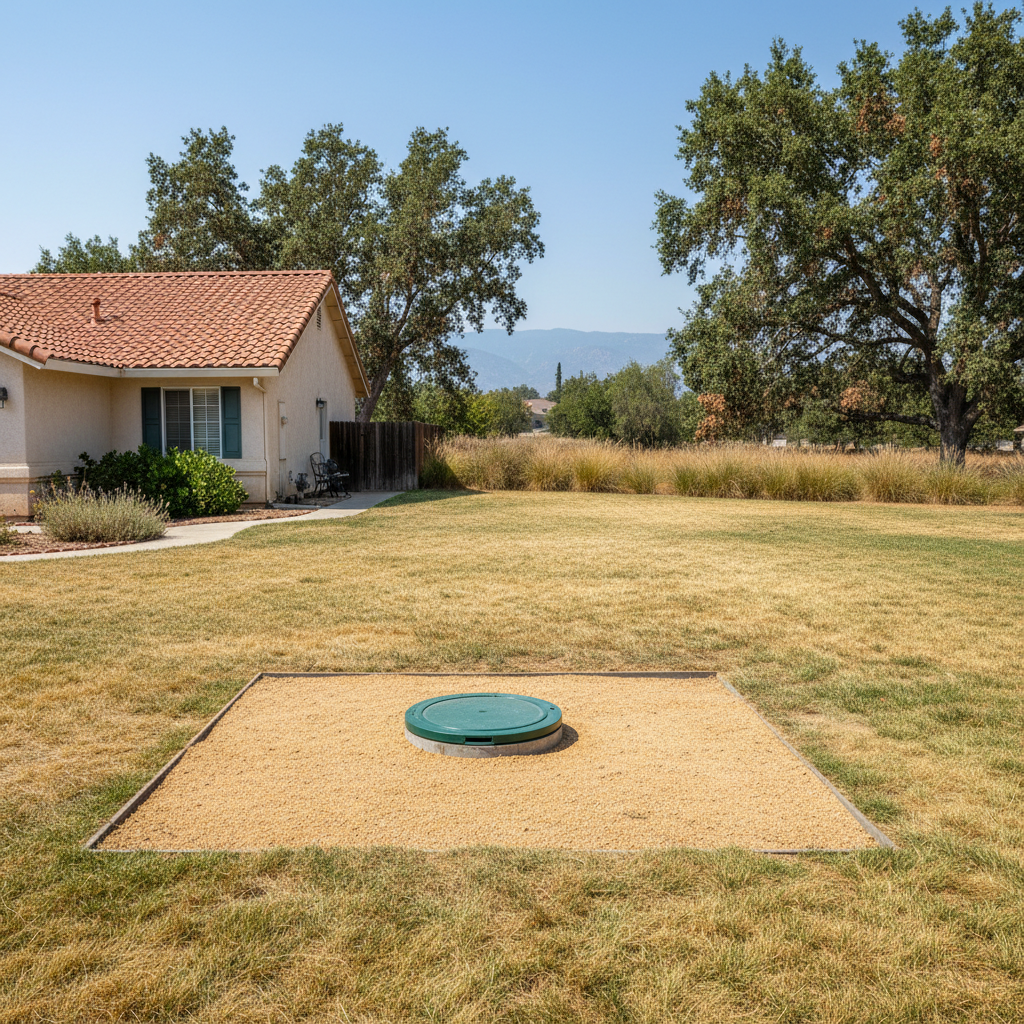
Ever wonder why your septic system sometimes acts like it's got a mind of its own? A lot of it boils down to the weather. Here in Fresno, we get some pretty distinct seasons, and each one throws its own set of challenges and things to think about for your septic system. As a local contractor, I've seen it all, from systems struggling in the summer heat to those getting hammered by winter rains. Understanding these seasonal shifts can save you a ton of headaches and, frankly, a lot of money down the road.
Summer: Heat, Drought, and Heavy Usage
Our Fresno summers are no joke, right? Triple-digit days happen all the time, and that heat affects everything, including your septic system. For starters, when it's hot and dry, people tend to water their lawns more, fill up pools, and generally use more water inside the house too. All that extra water going down your drains means more flow heading into your septic tank and drainfield.
The bacteria in your tank, which are super important for breaking down waste, really thrive in certain conditions. Extreme heat can sometimes mess with that balance, though it's usually more about the sheer volume of water. What's even more critical? The impact on your drainfield. When the ground is bone dry, it can actually compact a bit, making it harder for the effluent to soak in properly. If you're running a lot of water through a dry, compacted drainfield, you're just asking for trouble. We've seen systems back up right in the middle of summer because the ground simply couldn't absorb another drop.
This is also the time when folks are often entertaining or have kids home from school, leading to even more water use. My advice? Be mindful of how much water you're using. Spread out your laundry loads, take shorter showers, and try not to run all your water-using appliances at once. And if you're planning any major landscaping or construction, remember that the ground is hard as a rock. Digging for repairs or installations can be tougher, and sometimes more expensive, when the soil is baked solid.
Fall: Preparing for the Wet Season
Ah, fall. The air cools down, and we start looking forward to some rain. This is a really important time for septic system maintenance. Before those winter storms hit, you really want to make sure your system is in good shape. Why? Because a saturated drainfield is a happy drainfield – up to a point. But if your system is already struggling, or if your drainfield is getting old and not absorbing as well, heavy rains can push it right over the edge.
I always tell folks to think about getting their tank inspected or pumped in the fall, especially if it's been a few years. You definitely don't want to find out your tank is full or your drainfield is failing when it's pouring rain and the ground is already soaked. Trying to do repairs or pump a tank in a muddy, flooded yard is a mess for everyone involved, and it can be tougher on the equipment too. Plus, with the ground softening up, it's a better time for any necessary digging or repairs without fighting that concrete-like summer soil.
Make sure your gutters and downspouts are sending rainwater away from your drainfield. You don't want extra surface water adding to the load your system has to handle. I've seen plenty of systems fail early because of poor drainage around the house, especially in older neighborhoods with less sophisticated grading, you know?
Winter: Rain, Cold, and Saturated Soil
Winter in Fresno means rain, and sometimes a whole lot of it. For your septic system, this is mostly about saturation. Your drainfield needs unsaturated soil to properly treat and disperse wastewater. When the ground is waterlogged, it loses its ability to absorb and treat effluent effectively. This can lead to sewage surfacing, backups, and even damage to your drainfield.
While our winters aren't usually cold enough to freeze septic tanks or pipes deep underground, prolonged cold snaps can affect the biological activity in your tank. But again, the biggest concern is saturation. If you have an older system, or if your drainfield is in an area with naturally poor drainage — like some of the clay-heavy soils we have around here — winter can be a real test.
If you notice any standing water over your drainfield, slow drains, or gurgling noises, especially during or after heavy rains, don't ignore it. That's your system telling you it's struggling. Call us at Horizon Septic Solutions right away. The sooner you address it, the less damage you're likely to have.
Spring: Recovery and Planning
As the weather warms up and the ground starts to dry out, your septic system gets a bit of a breather. This is a good time to check out any issues that might have popped up over the winter. Did you have slow drains? Any suspicious wet spots? Spring is perfect for scheduling routine inspections or any necessary repairs that might have been tough to do in the wet winter months.
It's also a great time to think about your landscaping. Avoid planting trees or shrubs with aggressive root systems near your drainfield. Roots are notorious for finding their way into pipes and causing blockages. Keep the area over your drainfield clear of heavy objects or vehicles, as compaction can seriously damage the system.
Ultimately, a little foresight and seasonal awareness go a long way in keeping your septic system running smoothly. Pay attention to the signs, know what the weather means for your system, and don't hesitate to call a professional if you're unsure. Taking care of your septic system year-round means it'll take care of you.