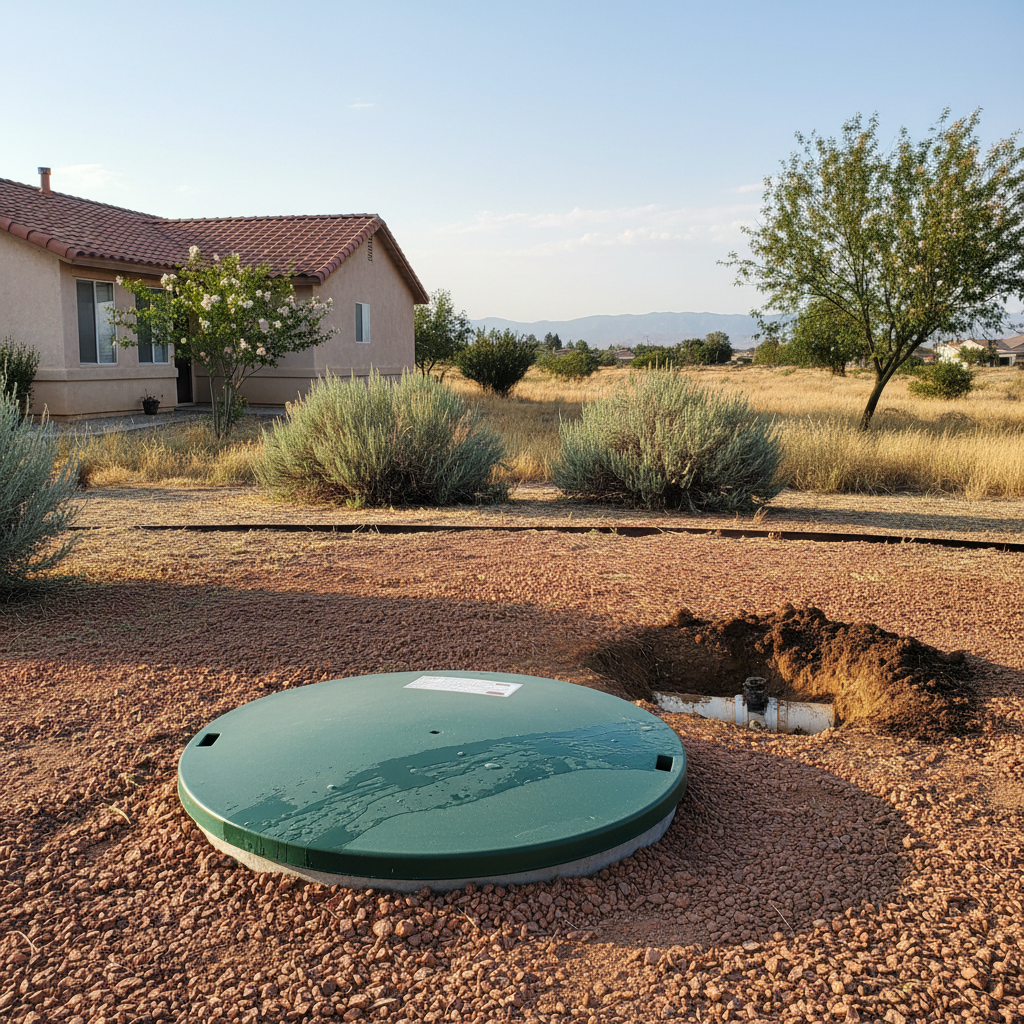
What's the Real Deal with Grease Trap Pumping Costs in Fresno?
Alright, let's get down to brass tacks about grease traps. If you're running a commercial kitchen here in Fresno, you already know these things are a necessary evil. They're what keep your drains clear and, frankly, keep the city happy by stopping fats, oils, and grease (FOG) from gunking up the municipal sewer lines. But what's the actual cost to get them pumped out? It's rarely a simple, one-price-fits-all answer, but I'm here to give you the straight scoop, based on what we at Horizon Septic Solutions see every single day.
What Makes the Price Tag Bounce Around?
You'd probably think pumping a grease trap would be pretty straightforward, right? Just suck out the sludge. But a few key things can really make the price jump up or down. Knowing these factors can definitely help you budget better and avoid any unwelcome surprises.
- The Size of Your Trap: This is probably the biggest factor, no surprise there. A small under-sink trap, maybe 50 gallons, will cost way less than a huge 1,500-gallon outdoor interceptor. Bigger traps mean more waste to haul away and dispose of. For instance, a 50-gallon indoor trap might set you back around $220, while a 1,000-gallon outdoor one could be closer to $390.
- How Full and How Gross It Is: If your trap is overflowing with hardened FOG and solids, it's just a tougher, longer job. That thick, almost concrete-like sludge takes more effort and specialized equipment to get out than liquid waste. We're talking more labor and potentially more time on site. If you've let it go too long, expect to pay more – sometimes even triple the usual price.
- Accessibility: Can we easily get to your grease trap? Is it right next to the parking lot, or do we have to snake hoses through a busy kitchen, down a tight alley, or even into a basement? The harder it is for our vacuum truck to reach, the more time and effort it takes, and that'll definitely show up in the cost.
- How Often You Pump: Regular maintenance actually saves you money in the long run. If you're on a scheduled service, you'll generally get a better rate than if you're calling us for an emergency pump-out because, oh no, your drains are backing up. Emergency services can be 3-4 times more expensive. Plus, here in Fresno, the city requires cleaning every 30-90 days, or when the FOG hits 25% capacity. Staying compliant means you avoid those pesky fines, too.
- Disposal Fees: We don't just dump this stuff anywhere, obviously. Grease trap waste has to be disposed of properly at approved facilities, and those facilities charge fees. These costs are always built into your quote.
Typical Grease Trap Pumping Cost Ranges in Fresno
So, what kind of money are we actually talking about? Keep in mind these are ranges, and your specific situation might vary, but this should give you a pretty solid idea.
- Small Indoor Traps (50-200 gallons): For these smaller units, often found right under sinks, you're usually looking at anywhere from $125 to $475 for a scheduled service. A 50-gallon trap might be around $220, moving up to $430 for a 200-gallon one. If it's an emergency, that could jump to $190-$240.
- Larger Outdoor Interceptors (750-1,500+ gallons): These big boys are a bit more involved. For a regular, scheduled pumping, expect to pay between $325 and $1,040. A 1,000-gallon trap is typically in the $390 range, and a 1,500-gallon one might be around $450. If it's a massive, neglected 5,000-gallon monster, that could easily hit $1,040 or more.
Remember, these figures are just for pumping, not installation. Putting in a new 1,000-gallon grease trap, for example, can run you $3,000-$6,000 for the unit itself, plus another $2,000-$4,500 for the installation work.
What's All Included in a Horizon Septic Solutions Quote?
When you get a quote from us, or any reputable company for that matter, it should cover more than just sucking out the grease. Here's what we typically include:
- Complete Pumping and Removal: We don't just skim the top, no sir. We get rid of all the fats, oils, grease, and food solids from your trap. That means we're clearing out the floating grease, the settled solids, and that thick sludge at the very bottom.
- Interior Cleaning: Once it's pumped out, we scrape and clean the inside walls and baffles. This helps make sure the trap works efficiently until its next service.
- Inspection: We'll take a good look at the condition of your trap, including the baffles, just to make sure everything's working right. This can help us spot potential issues before they turn into really expensive problems.
- Proper Disposal: All the waste we remove gets hauled to approved facilities, following all local Fresno environmental rules. We even handle the paperwork, giving you documentation for your compliance records.
How to Keep Your Grease Trap Pumping Costs Down
Nobody likes throwing money away. Here are my best tips for keeping your grease trap costs in check:
- Stick to a Regular Schedule: This is the golden rule, hands down. Don't wait until you've got slow drains, foul odors, or worse, a backup. Regular pumping prevents major blockages and those costly emergency calls. Most Fresno businesses need service every 1 to 3 months, depending on how much FOG you're producing.
- Practice Good Kitchen Habits: Scrape plates thoroughly before washing them. Try to minimize the amount of FOG that goes down your drains in the first place. The less grease in the trap, the less often it needs pumping, and the easier the job is.
- Get on a Service Agreement: Many companies, including us at Horizon Septic Solutions, offer scheduled maintenance plans. This usually comes with a better rate than one-off services and ensures you stay compliant without having to remember to call.
- Keep Good Records: Fresno city officials actually require you to keep detailed cleaning and maintenance logs for at least three years. Having these records handy proves you're compliant and can be super useful for tracking how much FOG you're putting out.
- Ask for a Detailed Quote: Don't just go for the cheapest price, please. Make sure you understand exactly what's included. A super low quote might mean they're not doing a full clean-out or skipping proper disposal, which could cost you big in fines or future problems down the line.
Managing your grease trap isn't the most glamorous part of running a business, I get it, but it's absolutely crucial for smooth operations and staying on the right side of the law. Do it right, and you'll save yourself a lot of headaches and money down the road.